Pump Jack Capital of Texas
Welcome to Electra, a North Texas oil town in Wichita County that the state officially named the Pump Jack Capital of Texas after its 1911 gusher.
Electra is a small city in Wichita County, Texas, located in the rolling ranch country of North Texas and included within the Wichita Falls metropolitan statistical area. As of the 2020 census, the city had a population of about 2,300, and its identity is inseparable from the oil industry that built it. The town's defining moment came on April 1, 1911, when the Clayco No. 1 well blew in about a mile north of downtown, a discovery so sudden that early reports were dismissed as an April Fool's joke. The gusher opened the North Texas oil fields, and within months Electra's population surged from a few hundred to roughly 5,000 as workers, drillers, and families poured in. The boom transformed a ranching settlement into a working oil town, and that legacy endures: in 2001 the State of Texas officially designated Electra the Pump Jack Capital of Texas, a title that remains central to the city's civic identity. Electra functions today as a quiet, rural community where most residents own their homes and many are retirees. The population has settled well below its boom-era peak, and the pace of life reflects both the oil patch's practical character and the surrounding agricultural landscape. Local institutions are compact but complete: the Electra Independent School District operates two campuses, and the city maintains parks and community facilities that anchor daily life. The city's position on U.S. Highway 287 keeps it connected, with Wichita Falls roughly a half-hour to the east providing employment, shopping, medical care, and air service. Electra offers an affordable, close-knit small-town option within reach of a regional center, rooted in one of the most storied chapters of Texas oil history.
Electra is a city in Wichita County, Texas, and is part of the Wichita Falls metropolitan statistical area. It sits along U.S. Highway 287 in the ranch country of North Texas.
Electra was officially named the Pump Jack Capital of Texas in 2001. The title honors the town's oil heritage, which began when the Clayco No. 1 gusher blew in on April 1, 1911, opening the North Texas oil fields.
According to the 2020 United States census, Electra had a population of 2,292. The town grew to roughly 5,000 residents within months of its 1911 oil discovery before settling into its current, smaller size.
Electra is roughly a 30-minute drive west of Wichita Falls along U.S. Highway 287. Wichita Falls provides the nearest regional shopping, medical care, higher education, and a commercial airport for residents.
City Guide
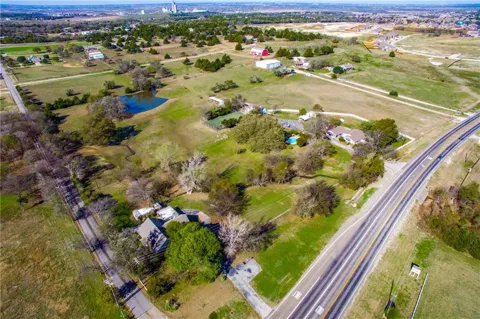
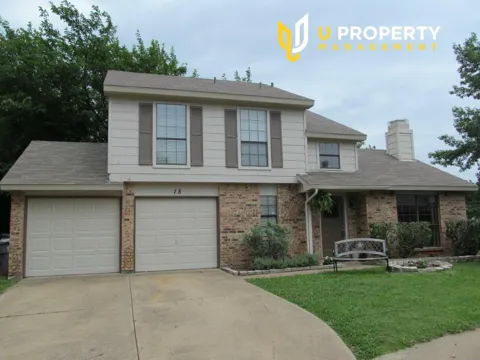
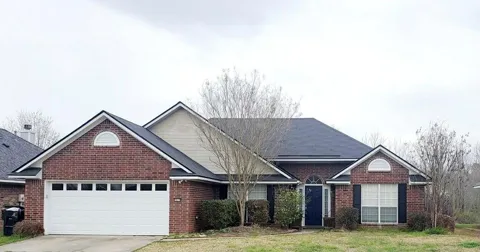
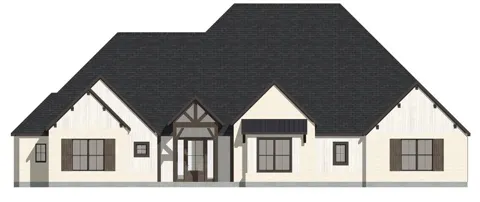
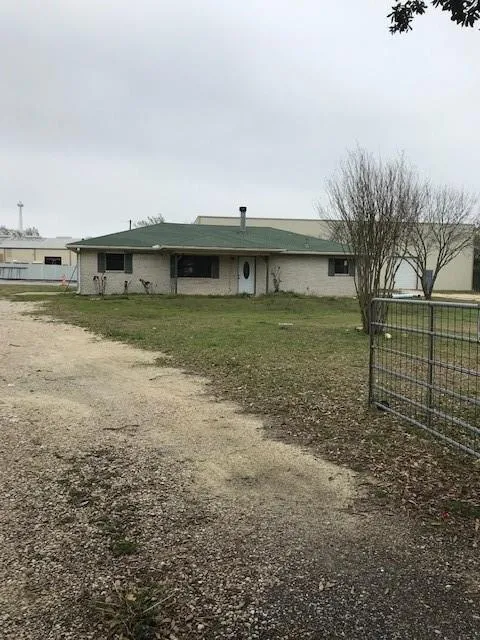
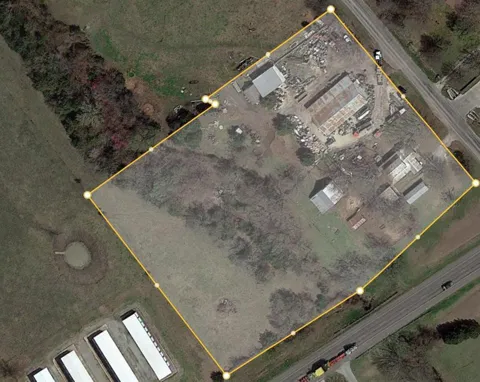
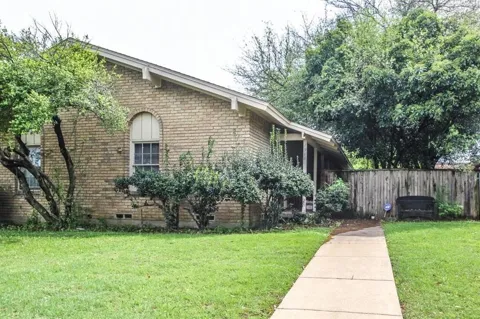
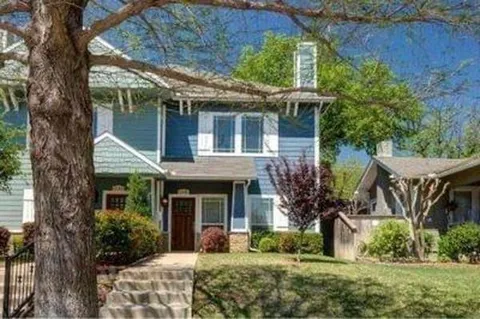
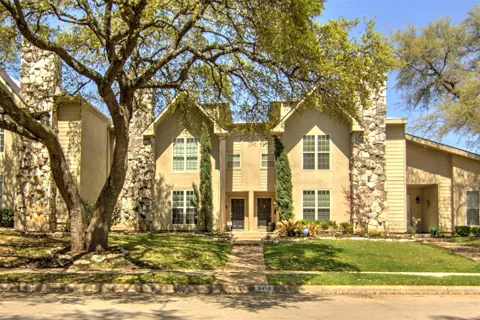
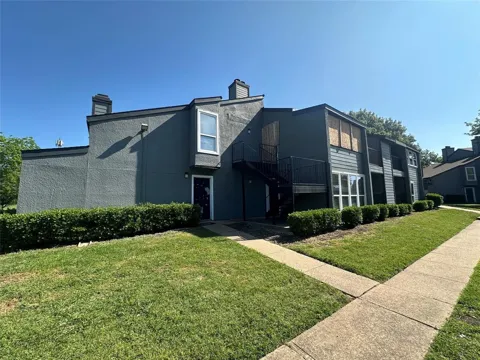
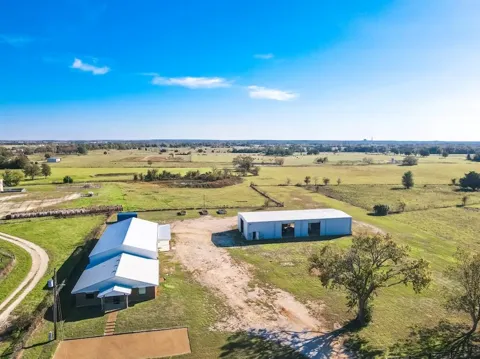
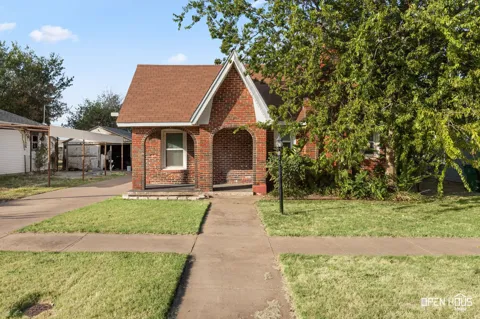
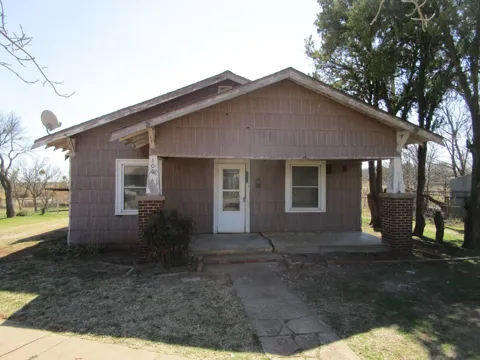
Electra's housing stock reflects its boom-and-settlement history. The city contains a mix of older single-family homes built during and after the 1911 oil boom, including early twentieth-century frame houses and modest bungalows, alongside mid-century ranch homes on established residential streets. Most residents own their homes, and the overall feel is rural and low-density, with larger lots and a relaxed street pattern typical of North Texas small towns. Housing is generally modest in scale and price, and some properties show the wear of a town that has seen its population decline from its oil-era peak. Buyers are typically drawn by affordability, a slower pace, and proximity to Wichita Falls rather than by new construction, though a scattering of newer homes and rural acreage properties around the city adds variety for those seeking more land.
Electra is a compact, single-cohesive town rather than a collection of distinct subdivisions. The downtown area near the original townsite holds the city's older commercial buildings and civic institutions, while residential streets fan out in a simple grid with homes from the town's oil-boom era and the mid-twentieth century. Electra City Park and Red Harvey Baseball Field serve as central community gathering places, and the school campus anchors family life. Homes thin out at the city's edges, where residential lots give way to pasture, farmland, and working pump jacks that still dot the surrounding Wichita County landscape. The nearby Crooked Creek Golf Course and open ranch country extend the community's footprint, giving Electra the feel of a small oil-and-ranch town rather than a suburban enclave.
Life in Electra is unhurried and community-centered, with a strong current of oil-patch pride. The Pump Jack Capital designation is woven into local identity, and the town's history as the site of the 1911 gusher is a source of civic pride. Daily life revolves around the school district, churches, and local parks, with Electra City Park and Red Harvey Baseball Field hosting community recreation and youth sports. Crooked Creek Golf Course offers a round just outside town, and the surrounding countryside provides fishing, hunting, and open space. Most shopping and services are handled by a quick drive to Wichita Falls, about a half-hour east, while Electra itself retains the quiet, neighborly rhythm of a small North Texas town where many residents are retirees and families with deep local roots.
Electra is served by the Electra Independent School District, a small district created in 1911 during the town's oil boom. The district operates two campuses, an elementary and a combined secondary school, serving roughly 440 students from pre-kindergarten through twelfth grade, with a low student-teacher ratio that reflects the town's small size. The district is the educational and social center of the community, with school sports and activities drawing broad local support. Its compact scale means students attend school close to home throughout their K-12 years. For higher education, residents have access to Vernon College, with a campus in nearby Wichita Falls, and Midwestern State University in Wichita Falls, both within a short commute for college-bound students and adults seeking continuing education.
Electra sits on U.S. Highway 287, the principal route between the Texas Panhandle and the Dallas-Fort Worth area, which connects the city east to Wichita Falls in roughly 30 minutes. From Wichita Falls, travelers reach Interstates 44 and 287 corridors and the wider North Texas region. Daily travel is entirely by private vehicle, consistent with the area's rural character, and there is no fixed-route public transit within Electra. Wichita Falls provides the nearest commercial airport, regional shopping, and medical facilities, while the drive toward the Dallas-Fort Worth metroplex is roughly two hours for larger employment and air travel options. The city's location on a major U.S. highway keeps it practical and connected even as its small-town pace and open surroundings remain intact.
Recreation in Electra is anchored by its parks and the surrounding North Texas countryside. Electra City Park provides playgrounds, picnic areas, and open space in the center of town, and Red Harvey Baseball Field supports youth and community baseball. Crooked Creek Golf Course, just outside the main town area, offers a nine-hole round in a rural setting. Beyond the city, the ranch land and rolling hills of Wichita County provide hunting, fishing, and outdoor recreation, and nearby Lake Diversion and Lake Wichita offer boating and camping within a short drive of Wichita Falls. The town's oil heritage is itself a point of interest, with pump jacks still working across the surrounding fields and the story of the 1911 Clayco gusher preserved in local lore and markers, making Electra a stop for those interested in Texas petroleum history.
MARKET SNAPSHOT
How homes have been selling here over the last 90 days.
Market data reflects closed sales over the last 90 days and is provided for informational purposes.
For sale
Handpicked properties hitting the scene in your area.
For sale
Handpicked properties hitting the scene in your area.
For sale
Handpicked properties hitting the scene in your area.
BROWSE BY ZIP
Browse listings by postal code in this area.